
Material handling insights
Guides for engineers, plant managers and buyers planning overhead handling with aluminium rail systems.
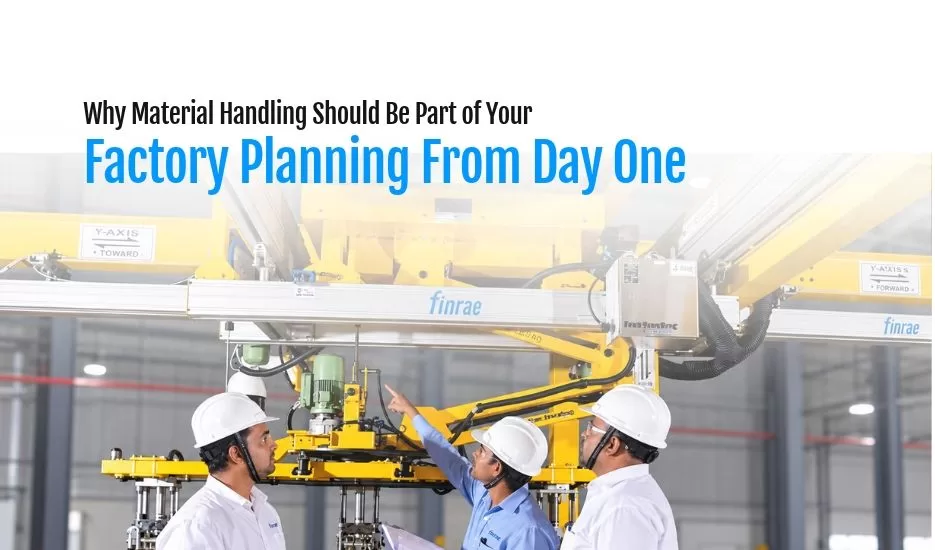
Why Material Handling Should Be Part of Your Factory Planning From Day One
When a new factory is being planned, attention naturally goes towards production capacity, machinery, utilities, floor space and process flow.Manufacturers decide where machines will be inst
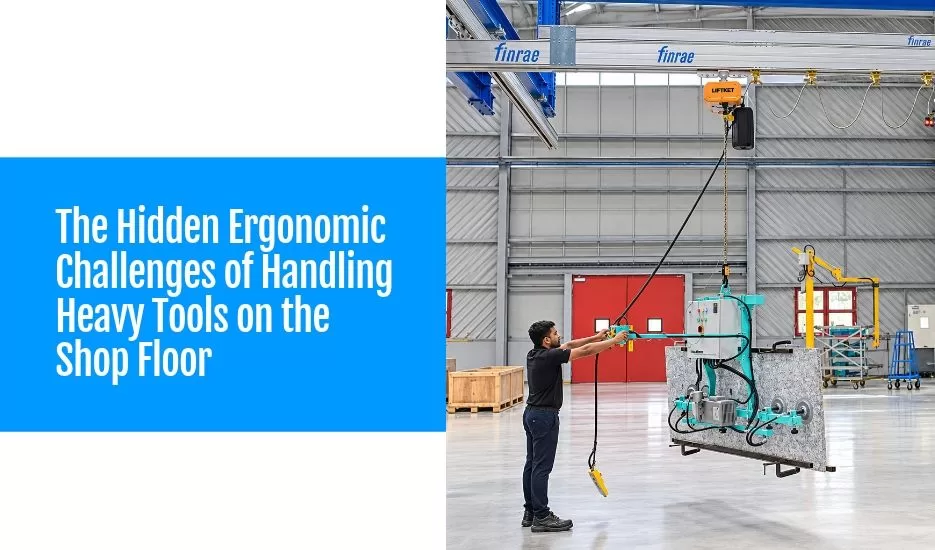
The Hidden Ergonomic Challenges of Handling Heavy Tools on the Shop Floor
A heavy industrial tool may perform its intended operation with precision, yet using it repeatedly can place considerable physical demands on the operator.Think about a nut runner used in an
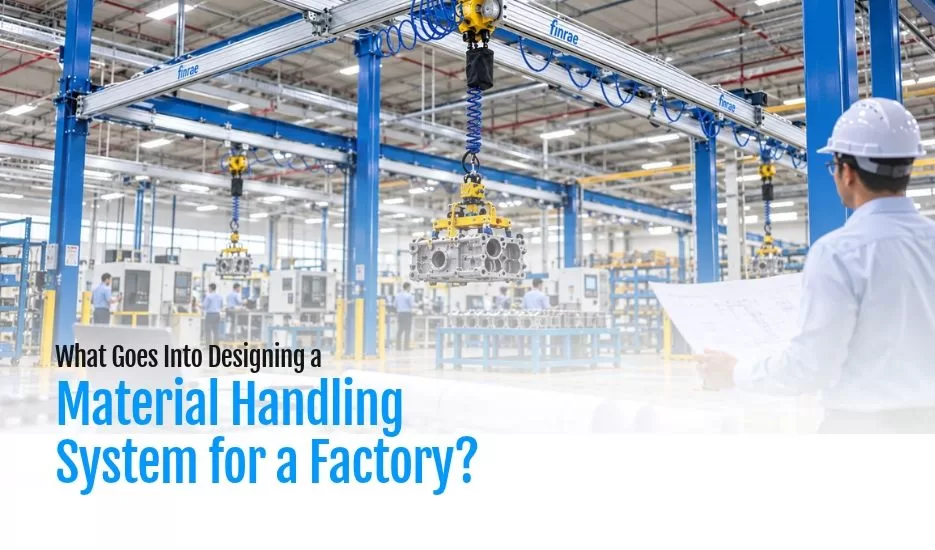
What Goes Into Designing a Material Handling System for a Factory?
A material handling system is often judged by how smoothly it moves a load from one point to another. But that movement is the outcome of several engineering decisions made long before the s
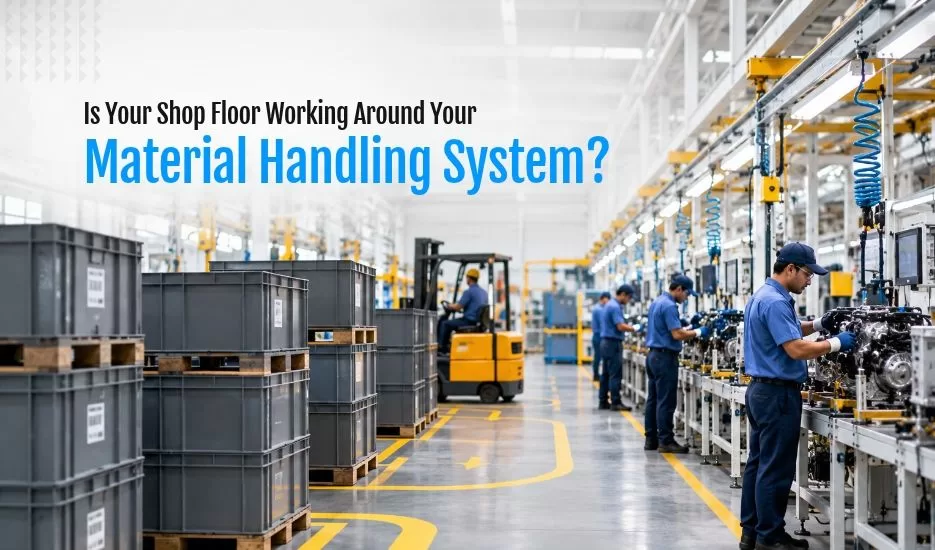
Is Your Shop Floor Working Around Your Material Handling System?
Moving heavy parts by hand slows production and injures people. See how overhead rail systems make handling safer, smoother and more productive.
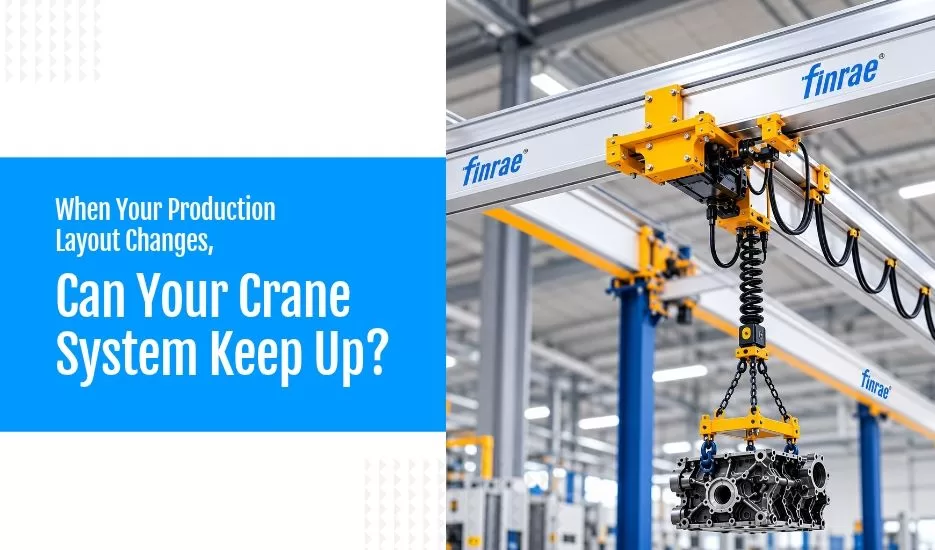
When Your Production Layout Changes, Can Your Crane System Keep Up?
Production layouts rarely stay the same. See how a modular rail system can be extended and reconfigured as your process evolves.
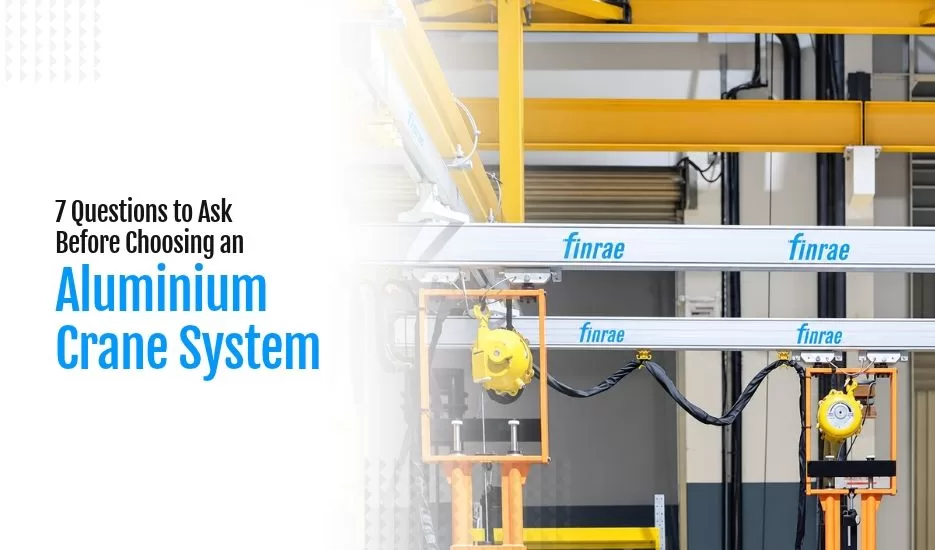
7 Questions to Ask Before Choosing an Aluminium Crane System
Loads, paths, layouts, mounting, integration, safety and support: seven questions that help you choose the right aluminium crane system.
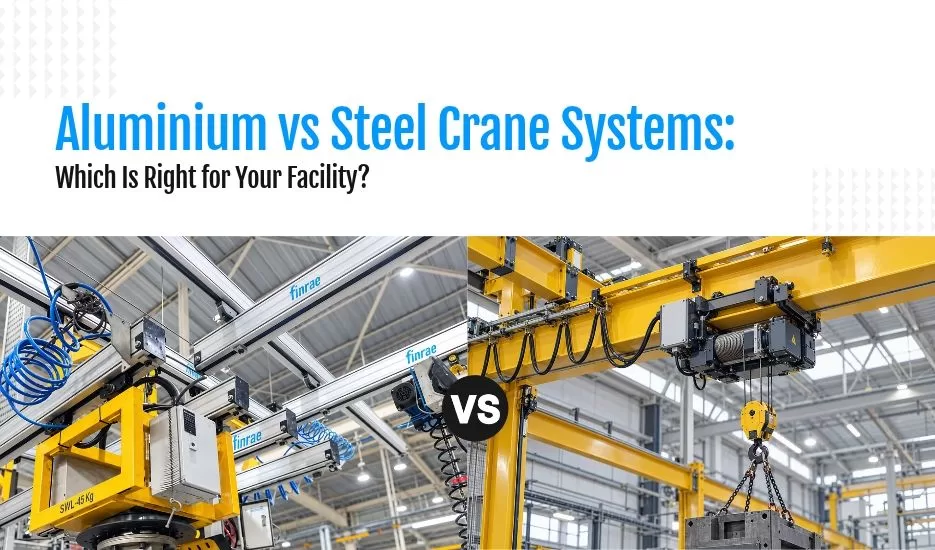
Aluminium vs Steel Crane Systems: Which Is Right for Your Facility?
Weight, effort, modularity and lifetime cost: a practical comparison to help you decide between light aluminium rail systems and traditional steel cranes.
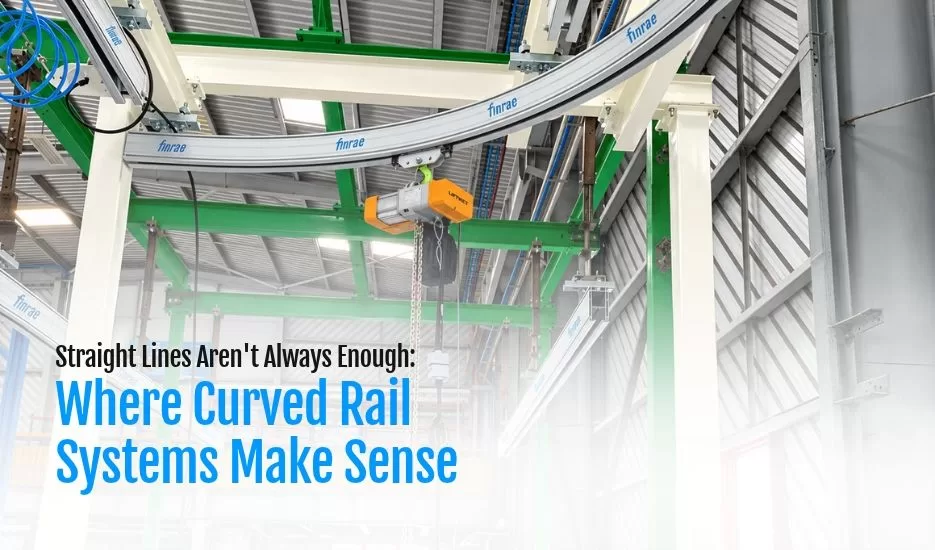
Straight Lines Aren't Always Enough: Where Curved Rail Systems Make Sense
Workstations, machinery and obstructions rarely line up. See where curved rails make sense in a material-handling layout.
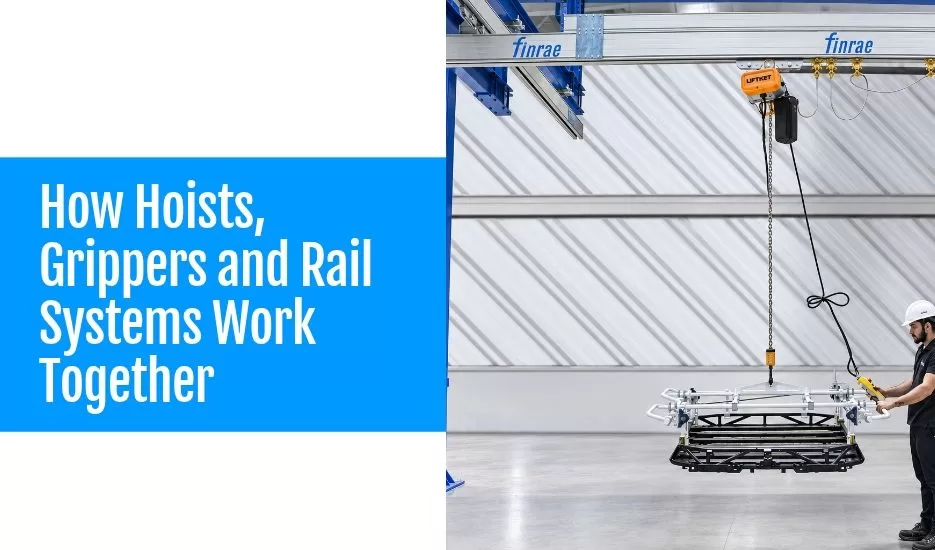
How Hoists, Grippers and Rail Systems Work Together
The rail provides the path, the hoist provides lifting and the gripper holds the component. See how the three work together.